In 2003, the U.S. made a significant stride in criminal justice reform with the enactment of the Prison Rape Elimination Act (PREA). Designed to combat the pervasive issue of sexual abuse in prisons, PREA established a national policy of zero tolerance, requiring rigorous prevention, reporting, and investigation standards. More than two decades later, despite progress, challenges persist, prompting exploration into technology, particularly artificial intelligence, as a potential catalyst for transformation.
PREA’s introduction was pivotal, breaking silence on a systemic problem by mandating consistency in handling abuse allegations. This reform aimed to protect inmates through comprehensive strategies, risk assessments, and mandatory training for staff. Yet, as prisons grapple with dwindling resources and increased inmate populations, the problem remains unresolved, raising questions about technological interventions’ efficacy.
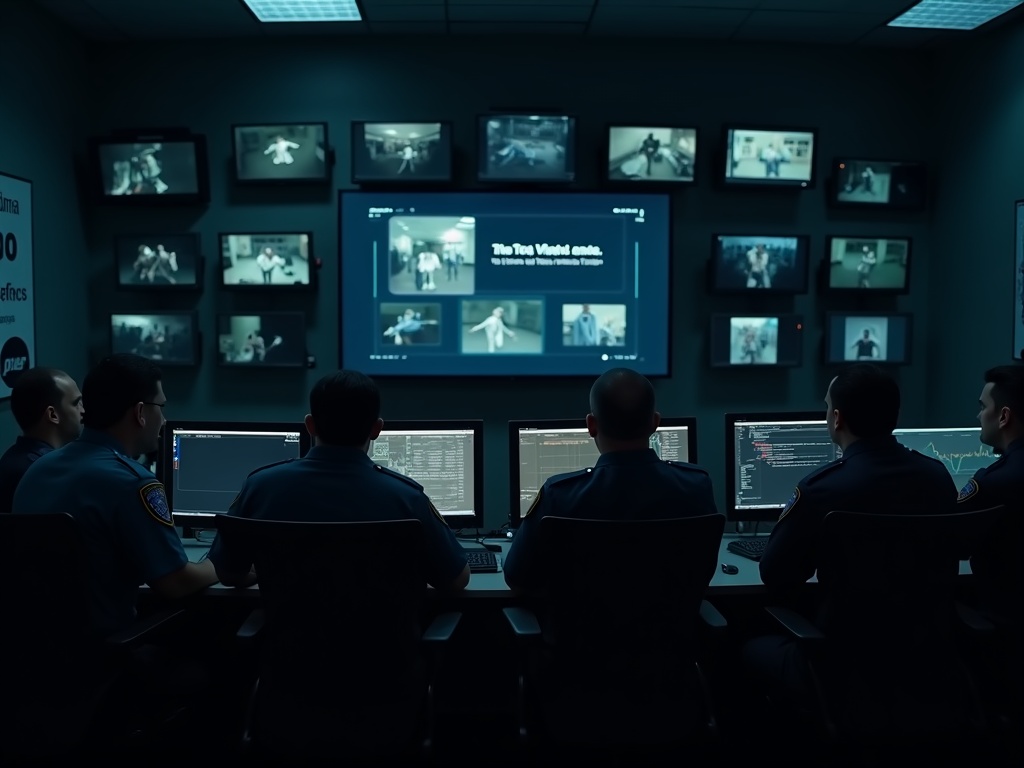
Advanced artificial intelligence platforms, like Verus Vision AI, offer innovative solutions. These systems analyze live video feeds to detect risks such as assaults and self-harm, shifting from post-incident review to proactive prevention. AI facilitates investigations by providing objective evidence and supplements staff oversight, functioning like an added observant eye. This technological leap could focus on preventing rather than merely recording abuse, an essential evolution in correctional safety.
The pace of AI’s advancement outstrips corrections’ adoption, hindered by budget and security constraints. However, AI’s potential to monitor and recognize precursors to incidents in real-time offers an opportunity to intercede before harm occurs, marking an evolution from historical record-keeping to harm prevention.
Implementing AI goes beyond identifying potential threats. It strengthens post-incident investigations by efficiently reconstructing events, saving time, and enhancing evidence quality. AI’s capacity to cross-reference data from surveillance footage, logs, and witness accounts offers robust support, ensuring comprehensive investigations. This precision benefits both victims and wrongfully accused staff by fortifying claims with credible evidence.
AI’s role in corrections extends to supporting overstretched staff. With officers handling larger inmate populations, AI serves as an auxiliary resource, alerting human supervisors preemptively while preserving human judgment in operational decisions.
PREA, though foundational, faces costly implementation without fulfilling its promise of substantially reducing abuse. AI could redefine this landscape, transforming PREA’s focus to proactive measures. Through enhanced surveillance and operational intelligence, AI assists in safeguarding institutional environments, potentially marking the most significant safety advancement since PREA’s enactment.
Effective leadership and accountability remain critical alongside technological integration. Nonetheless, if AI bridges the gap in prison safety, it may ultimately realize PREA’s original intent: achieving a secure, abuse-free correctional system.
You can read the original article here: [Forbes](https://www.forbes.com/sites/walterpavlo/2026/07/30/artificial-intelligence-could-help-prevent-sexual-assault-in-prisons/).